Synedica Retatrutide represents a growing area of scientific interest in metabolic health research. As an investigational compound, retatrutide is currently being studied for its potential role in weight management and metabolic regulation. This page is designed to provide clear, evidence-based information for UK readers seeking to understand the science, research progress, and regulatory context surrounding retatrutide.
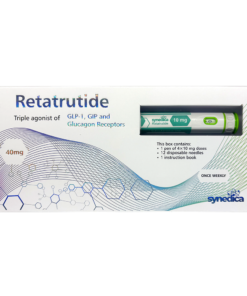
Retatrutide is a next-generation peptide, designed to act on multiple hormone pathways involved in metabolism. Unlike earlier treatments that focus on a single receptor, retatrutide is known as a triple agonist, meaning it targets:
- GLP-1 (Glucagon-Like Peptide-1) receptors
- GIP (Glucose-Dependent Insulinotropic Polypeptide) receptors
- Glucagon receptors
This multi-target approach is being studied for its potential to influence appetite, energy balance, and glucose control in a more comprehensive way.
.
A Multi-Receptor Mechanism
The unique feature of retatrutide lies in its ability to engage several biological pathways simultaneously:
GLP-1 Activation
- Supports appetite regulation
- Slows gastric emptying
- Plays a role in blood sugar control
GIP Activity
- May enhance insulin response
- Works synergistically with GLP-1
Glucagon Receptor Engagement
- May increase energy expenditure
- Supports fat metabolism
Together, these actions are being explored for their combined effects on metabolic efficiency and weight-related outcomes.
How Retatrutide Compares to Existing Treatments
For many in the UK, choosing between available treatments can be confusing. Here is how the latest science differentiates these options:
| Feature |
Semaglutide (e.g., Wegovy) |
Tirzepatide (e.g., Mounjaro) |
Retatrutide |
| Mechanism |
Single Agonist (GLP-1) |
Dual Agonist (GLP-1 + GIP) |
Triple Agonist (+ Glucagon) |
| Administration |
Once-Weekly Injection |
Once-Weekly Injection |
Once-Weekly Injection |
| Primary Focus |
Appetite Suppression |
Hunger & Insulin |
Hunger, Insulin & Fat Burn |
| Current Status |
Licensed in UK |
Licensed in UK |
Clinical Trials (Phase 3) |
Potential Benefits Beyond Weight Loss
While Retatrutide is primarily known for weight management, its triple-action mechanism shows promise in other areas of cardiometabolic health:
-
Blood Sugar Regulation: Potential for significant HbA1c reduction in Type 2 diabetics.
-
Liver Health: Early research suggests a reduction in liver fat, offering hope for those with NAFLD (Non-Alcoholic Fatty Liver Disease).
-
Cardiovascular Health: Improvements in blood pressure and lipid profiles have been observed in clinical cohorts.
Safety and Side Effects
As with all incretin-based therapies, Retatrutide is associated with gastrointestinal effects, particularly during the dose-escalation phase. Common side effects reported in trials include:
At Synedica, our clinicians use a gradual titration schedule, starting with a low dose to allow your body to adjust, significantly reducing the likelihood of discomfort.
Retatrutide in the UK: The Future of Metabolic Health & Weight Management
Experience the Next Generation of Triple-Action Weight Management Solutions
At Synedica, we are committed to providing the UK with the latest clinical insights into breakthrough metabolic therapies. As the landscape of weight management evolves beyond GLP-1 and GIP, we focus on the pioneering science of Retatrutide—the world’s first triple hormone receptor agonist designed to redefine what is possible in metabolic health.
What is Retatrutide? Understanding the “Triple G” Breakthrough
Retatrutide is an investigational once-weekly injectable therapy currently undergoing advanced clinical trials in the UK and globally. While previous generations of weight loss injections like Wegovy (Semaglutide) and Mounjaro (Tirzepatide) target one or two hormone receptors, Retatrutide is a triple agonist.
By mimicking three naturally occurring hormones in the body, it offers a multi-pathway approach to weight loss and blood sugar regulation. These three hormones are:
GLP-1 (Glucagon-like peptide-1): Suppresses appetite and slows stomach emptying.
GIP (Glucose-dependent insulinotropic polypeptide): Enhances insulin sensitivity and metabolic efficiency.
Glucagon: Increases energy expenditure and promotes the breakdown of stored fat.
Why the Third Hormone Matters
The addition of the Glucagon receptor is what sets Retatrutide apart. While GLP-1 and GIP focus on hunger suppression, Glucagon signals the body to burn more energy, even at rest. This “triple-action” synergy is why Retatrutide has been nicknamed the “Godzilla” of weight loss treatments in the medical community.
The Synedica Approach: Clinical Excellence & Patient Safety
Navigating the world of medical weight management requires more than just a prescription. At Synedica, we provide a holistic ecosystem designed to support your metabolic journey through expert-led care.
1. Expert Medical Consultations
Our UK-based clinical team provides comprehensive screenings to determine if triple-agonist therapies are the right fit for your health profile. We prioritise safety, ensuring that every patient receives a personalised plan tailored to their BMI and medical history.
2. Evidence-Based Results
Clinical data from Phase 2 and ongoing Phase 3 trials (such as the TRIUMPH studies) have shown remarkable potential. Participants on the highest doses of Retatrutide observed significant weight reduction over 48 to 68 weeks, often exceeding the results seen in dual-agonist treatments.
3. Integrated Metabolic Support
Weight loss is a complex biological process. Synedica complements medical therapy with nutritional guidance and metabolic monitoring to ensure that weight loss is sustainable and focused on fat reduction rather than muscle loss.
Join the Synedica Community
The future of metabolic health is triple-action. At Synedica, we keep you informed on:
-
Official MHRA approval timelines.
-
Insights into NHS availability and NICE guidelines.
-
Updates on private prescription access once licensed.
Stay informed on the UK’s metabolic revolution.